


If you already use niacinamide or hyaluronic acid in your routine, you’ve probably wondered whether they work better together — or whether layering them could irritate your skin. The good news? This is actually one of the easiest, most beginner-friendly ingredient pairings in skincare.
The short answer: yes, hyaluronic acid and niacinamide are one of the most practical ingredient pairings in skincare. They don’t just tolerate each other — they actively make each other work better.
If you’re building this combination into a full glow-focused routine, our guide on how to get natural glow on face shows exactly where niacinamide and hydrating serums sit in both an AM and PM schedule — alongside vitamin C, face oils, and SPF.
In this guide, we’ll break down what each ingredient does, why they pair so well, how to layer them correctly, and which products to look for.
In this article:
- What Is Hyaluronic Acid?
- What Is Niacinamide?
- Hyaluronic Acid vs Niacinamide: What’s the Difference?
- Can You Use Hyaluronic Acid and Niacinamide Together?
- Benefits of Using Them Together
- How to Layer Them Correctly
- Mixing With Other Ingredients
- Best Products
- FAQ
What Is Hyaluronic Acid?
Hyaluronic acid (HA) is a naturally occurring substance in your body — found in your skin, joints, and connective tissue. Its superpower is moisture retention. Despite the word “acid,” hyaluronic acid isn’t an exfoliant. Think of it more like a moisture magnet that helps skin look plumper, smoother, and better hydrated.
As we age, our natural hyaluronic acid levels decline, which is why skin starts to look dull, dry, and less plump over time. Topical HA serums help replenish that moisture, giving skin a smoother, bouncier, more youthful appearance.
Key benefits of hyaluronic acid:
- Deep hydration for all skin types
- Plumps fine lines caused by dehydration
- Strengthens the skin’s moisture barrier
- Lightweight and non-comedogenic (won’t clog pores)
- Works on oily, dry, combination, and sensitive skin

For product recommendations, check out our roundup of the best hyaluronic acid serums — we’ve tested the top picks across every budget.
What Is Niacinamide?
Niacinamide is a form of vitamin B3 — a water-soluble vitamin that does an impressive amount of heavy lifting in your skincare routine. Unlike some active ingredients that target one specific concern, niacinamide is a multi-tasker that addresses multiple skin issues at once.
It’s one of the most well-researched and well-tolerated ingredients in skincare, which is why dermatologists recommend it so often — even for sensitive skin types.
Key benefits of niacinamide:
- Minimizes the appearance of pores
- Regulates sebum (oil) production
- Fades dark spots and hyperpigmentation
- Strengthens the skin barrier
- Reduces redness and inflammation
- Improves uneven skin texture
Want to go deeper on this ingredient? Our full niacinamide usage guide covers everything from concentrations to how to introduce it into your routine.
Hyaluronic Acid vs Niacinamide: What’s the Difference?
| Concern | Better Choice |
|---|---|
| Dry / dehydrated skin | Hyaluronic Acid |
| Oily skin | Niacinamide |
| Dark spots | Niacinamide |
| Plumping hydration | Hyaluronic Acid |
| Barrier support | Both |
Can You Use Hyaluronic Acid and Niacinamide Together?

Yes — absolutely. This is one of the safest, most complementary ingredient combinations in skincare.
Here’s why there’s no conflict:
- No pH competition. Unlike vitamin C or AHAs/BHAs which require a specific low pH to work, both niacinamide and hyaluronic acid work at a neutral skin-friendly pH. There’s no risk of one deactivating the other.
- No irritation. Neither ingredient is an exfoliant, retinoid, or harsh acid. Used together, they’re gentle enough for daily use — even on sensitive or reactive skin.
- Neither ingredient is typically associated with the kind of purging commonly seen with retinoids or exfoliating acids. Some active ingredients cause an initial purging phase. Not these two. You can start using them together immediately without expecting breakouts or flaking.
In fact, combining them is smarter than using them separately. Niacinamide strengthens and repairs the skin barrier while hyaluronic acid floods it with hydration — they work on complementary pathways, not competing ones.
Who Should Use Hyaluronic Acid and Niacinamide Together?
This pairing works especially well for:
- Oily skin
- Dry or dehydrated skin
- Acne-prone skin
- Sensitive or compromised skin barriers
- Beginners building a simple routine
Benefits of Using Hyaluronic Acid and Niacinamide Together
When you pair these two ingredients, you get more than the sum of their parts. Here’s what to expect:
1. Deep Hydration + Barrier Repair
Hyaluronic acid attracts and holds moisture in the skin, while niacinamide reinforces the lipid barrier that keeps that moisture locked in. The result is skin that stays hydrated longer — not just immediately after application.
2. Brightening + Natural Glow
Niacinamide inhibits the transfer of melanin to the skin’s surface, which gradually fades dark spots and evens skin tone. When paired with HA’s plumping effect, skin looks brighter and more radiant overall.
3. Oil Control Without Dehydration
This combo is especially powerful for oily and combination skin. Niacinamide regulates sebum production to control shine, while hyaluronic acid ensures the skin stays hydrated — preventing the overproduction of oil that often happens when skin is stripped of moisture.
4. Anti-Aging Support
Together, these two ingredients address multiple signs of aging simultaneously. HA smooths fine lines caused by dehydration, while niacinamide improves skin elasticity and reduces the appearance of enlarged pores over time.
For menopausal skin specifically, combining these topicals with the right supplements for menopause itchy skin can significantly accelerate barrier recovery from the inside out.
How to Use Hyaluronic Acid and Niacinamide Together: The Right Order
The general rule in skincare is to apply products from thinnest to thickest consistency. Both HA and niacinamide are typically serum-weight products, but if you’re using separate serums, apply the thinner, more watery formula first. In many routines that’s niacinamide, but always follow texture rather than ingredient name.

Morning Routine
- Cleanser — wash away overnight buildup
- Toner (optional) — balance and prep skin
- Apply your thinner serum first (often niacinamide), then follow with hyaluronic acid serum if it’s the thicker formula.
- Hyaluronic acid serum — apply to slightly damp skin for best absorption
- Moisturizer — seal everything in
- SPF 30+ — non-negotiable in the morning
Evening Routine
- Cleanser (double cleanse if wearing makeup/SPF)
- Niacinamide serum
- Hyaluronic acid serum
- Night cream or moisturizer
Pro tip: Apply your hyaluronic acid serum to slightly damp skin — not soaking wet, just lightly misted or applied right after patting your face partially dry. This generally helps maximize hydration and gives skin a smoother, more comfortable finish.
Looking for a great night cream to seal in all that hydration? We’ve reviewed the best night creams for anti-aging to help you find the right finish for your routine.
And don’t skip SPF in the morning — browse our picks for the best sun protection products that layer beautifully over serums.
For even better absorption, try applying your hyaluronic acid serum immediately after a short facial steam session — steamed skin is primed to absorb actives far more effectively. A nano ionic steamer used once a week takes only 5–8 minutes; see our full facial steamer guide for mature skin for safe usage tips.
Mixing With Other Ingredients: What’s Safe?

One of the best things about this duo is how well they play with the rest of your routine. Here’s a quick guide:
| Combination | Safe? | Notes |
|---|---|---|
| HA + Niacinamide + Retinol | ✅ Yes | Use retinol at night; HA and niacinamide help buffer any dryness or irritation |
| HA + Niacinamide + Vitamin C | ✅ Yes | Apply vitamin C first in the morning, then niacinamide, then HA |
| HA + Niacinamide + AHA/BHA | ⚠️ Caution | Use exfoliating acids on alternate nights; niacinamide can help calm post-exfoliation irritation |
| HA + Niacinamide + Peptides | ✅ Yes | Excellent combination for anti-aging routines |
| HA + Niacinamide + SPF | ✅ Yes | Apply SPF as the last step after all serums and moisturizer |
If you’re adding retinol to your routine, make sure to read our guide on whether you can use retinol and vitamin C together — the layering rules are slightly different. New to retinol entirely? Our guide to the best retinol serums under $30 is a great starting point.
Best Products With Hyaluronic Acid and Niacinamide
Here are our top picks across different budgets, all available on Amazon:
Best Budget Pick — Under $15
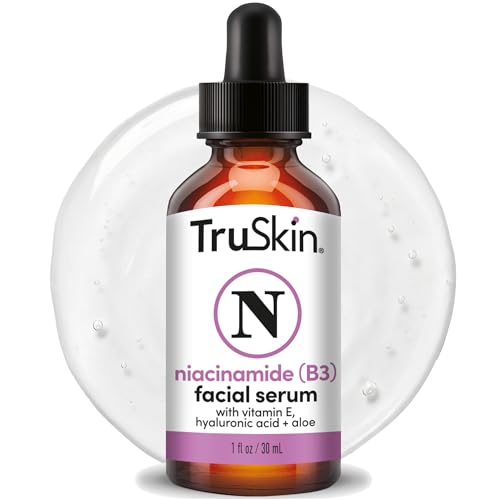
- PORE-REFINING DAILY SERUM: Niacinamide (Vitamin B3) helps minimize the appearance of pores, improve uneven tone, and smo…
- MORE THAN AN ORDINARY NIACINAMIDE SERUM: This balanced B3 formula pairs niacinamide with hyaluronic acid, aloe, and anti…
- BALANCES OIL WITHOUT DRYING: Helps regulate excess sebum so skin looks less shiny while maintaining hydration and comfor…
TruSkin Niacinamide Serum A lightweight, fast-absorbing serum packed with both niacinamide and hyaluronic acid in one formula. Great for beginners who want both ingredients without buying two separate products. Fragrance-free and suitable for all skin types.
Best Mid-Range Pick — $15–$30
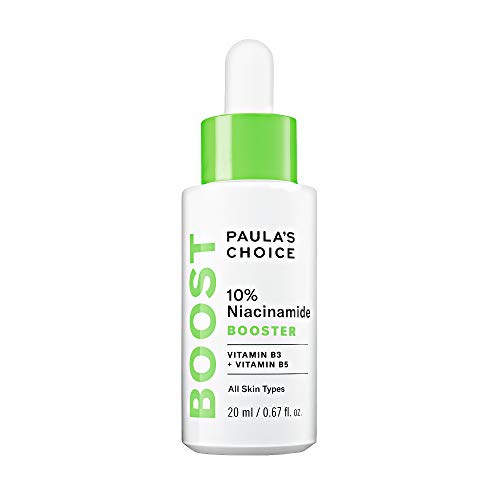
- 10% NIACINAMIDE FOR MULTI-TARGETED IMPROVEMENT: This high-strength booster visibly reduces enlarged pores, uneven skin t…
- MULTI-PURPOSE, CUSTOMIZABLE FORMULA: Designed to be used alone as a potent face serum or mixed into your favorite moistu…
- ANTIOXIDANT-RICH, SKIN-REPLENISHING COMPLEX: The formula blends antioxidants and skin-replenishing plant extracts to rej…
Paula’s Choice 10% Niacinamide Booster A concentrated niacinamide formula that pairs beautifully with a separate HA serum. The 10% concentration makes it effective for targeting pores, dark spots, and oil control. Layer your hyaluronic acid serum on top.
Best Hyaluronic Acid Serum to Pair

- 1 fl. oz bottle of Neutrogena Hydro Boost Hyaluronic Acid Serum delivers deep hydration for face and neck, restoring dry…
- Lightweight facial serum enriched with purified hyaluronic acid, trehalose, and glycerin penetrates deeply for long-last…
- Non-comedogenic, fragrance-free, and hypoallergenic, this serum is suitable for all skin types, including sensitive skin…
Neutrogena Hydro Boost Hyaluronic Acid Serum A dermatologist favorite with a lightweight gel texture that absorbs instantly. Works with any niacinamide product to deliver lasting hydration. Non-comedogenic and fragrance-free.
Best Premium Pick — $30+

- Hydration Amplification: Our Hyaluronic Acid Intensifier Serum is scientifically proven to boost your skin’s hyaluronic …
- Targeted Wrinkle Reduction: HA Intensifier Serum – Reduce the appearance of fine lines and wrinkles, including crow’s fe…
- Visible Improvement in Texture: This hyaluronic acid serum goes beyond hydration, visibly improving your skin’s texture …
SkinCeuticals H.A. Intensifier If you want to invest in high-performance HA, this is one of the most studied formulas available. Combines hyaluronic acid with proxylane and licorice root — pairs exceptionally well with a niacinamide serum.
For a deeper dive into HA options, our full guide to the best hyaluronic acid serums covers 10+ products across every price point. And if you’re over 50, see our guide to the best moisturizing creams for mature skin for products that combine these ingredients with richer hydration.
Frequently Asked Questions
Can I use hyaluronic acid and niacinamide every day?
Yes — both ingredients are gentle enough for daily use, morning and night. There’s no buildup risk or irritation threshold with either ingredient.
Which goes first — niacinamide or hyaluronic acid?
Apply the thinner, more watery formula first. In many routines that’s niacinamide, but always follow product texture rather than ingredient name. Let it absorb for about 30–60 seconds, then follow with your hyaluronic acid serum.
Can I mix niacinamide and hyaluronic acid in my palm before applying?
Technically yes, but it’s better to layer them separately. Each ingredient has an optimal absorption window, and layering gives you more control over how much of each you’re applying.
Is this combination good for acne-prone skin?
Yes — this is actually one of the best combos for acne-prone skin. Niacinamide reduces inflammation, regulates oil production, and helps fade post-acne dark spots, while hyaluronic acid keeps skin hydrated without clogging pores.
What percentage of niacinamide should I use?
For most people, a 5–10% niacinamide concentration is ideal. Start with 5% if you’re new to the ingredient, especially if you have sensitive skin. Our niacinamide usage guide covers concentrations in detail.
Can you use hyaluronic acid and niacinamide in one product?
Yes. Many serums and moisturizers already combine both ingredients in one formula. These can be a convenient option for beginners or anyone who prefers a simplified routine.
Can I use hyaluronic acid and niacinamide with vitamin C?
Yes. Both ingredients generally pair well with vitamin C. Most routines apply vitamin C first in the morning, followed by niacinamide, hyaluronic acid, moisturizer, and SPF.
Can niacinamide and hyaluronic acid cause purging?
No. Neither ingredient is typically associated with purging. If irritation occurs, it’s more likely due to formulation, concentration, or another active ingredient in your routine.
In real-world routines, this is one of the ingredient combinations skincare beginners usually tolerate very well.
Final Thoughts
Hyaluronic acid and niacinamide together are one of the most beginner-friendly, skin-type-universal combinations in skincare. They complement each other perfectly — one hydrates while the other strengthens — and when used consistently, they deliver noticeable improvements in texture, tone, and overall skin health.
If you’re building your routine from scratch or looking to add more targeted ingredients, this duo is the ideal starting point. Layer niacinamide first, follow with hyaluronic acid on damp skin, seal with a moisturizer, and don’t forget SPF in the morning.
Ready to complete the rest of your routine? Start with our guide to the best vitamin C serums for brightening — another excellent companion to this powerhouse pair.
This post contains affiliate links. If you purchase through our links, we may earn a small commission at no extra cost to you. We only recommend products we genuinely believe in.
Leave a Reply