

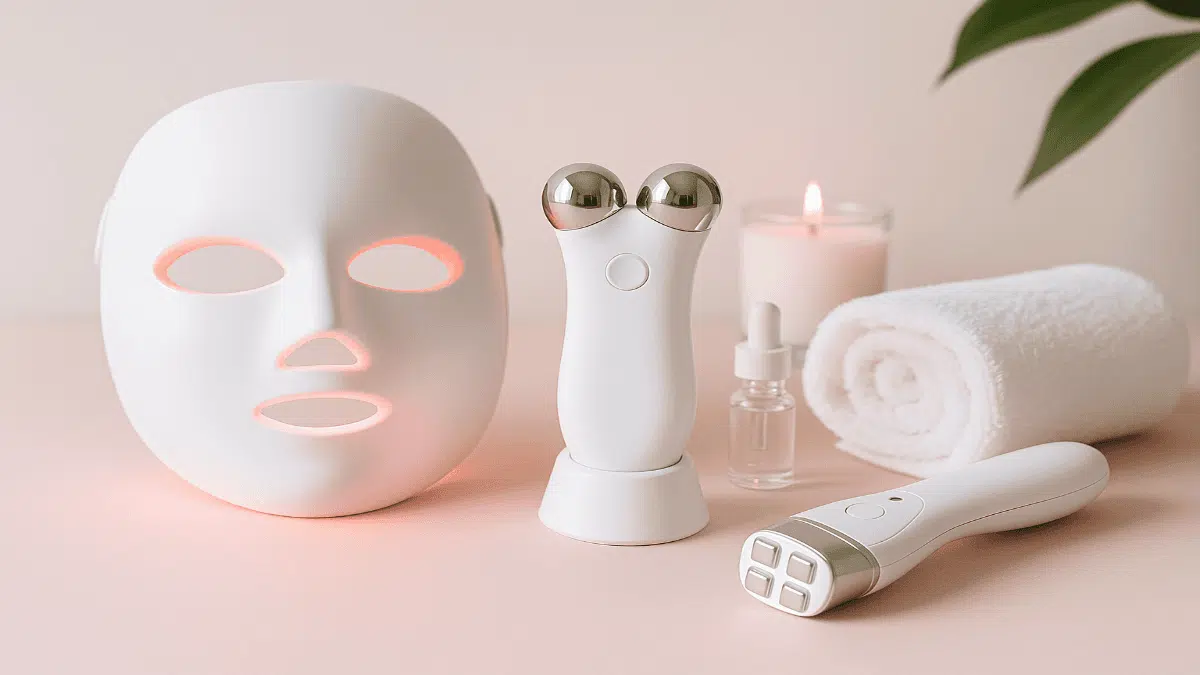
If your bathroom counter’s starting to look a little like a mini spa, you’re not alone.
In 2025, the line between home and clinic skincare has blurred in the most exciting way. What used to require an appointment — LED facials, microcurrent lifts, or radiofrequency firming — now lives right on your vanity table, quietly promising smoother, tighter, glowier skin.
And let’s be honest — we’re all a little curious. Can a gadget you plug in at home really do what a $300 spa session does? The answer is: sometimes, yes. But it depends on what you use, how often, and how you care for your skin before and after.
Updated for 2026: refreshed device recommendations, clarified safe-use rules (actives + devices), added conductive gel guidance for microcurrent, and updated internal links to the latest LED, RF, and microcurrent deep-dives.
This guide breaks it all down — the science, the gadgets, the results (and the mistakes that quietly sabotage them).
You’ll walk away knowing which tools are worth it, how to use them safely, and how they fit into your real-life anti-aging routine.
💡 LED Face Mask for Aging Skin (“Our deep-dive into red light therapy.”)
IN THIS ARTICLE
- The Rise of At-Home Skincare Technology
- How These Devices Work: The Science of Youthful Skin
- LED Light Therapy: How It Rejuvenates Aging Skin
- Microcurrent Devices: Natural Facial Sculpting
- RF Devices: Deep Collagen Remodeling
- Top Home Skincare Devices for Aging Skin (2026)
- Building a Safe Anti-Aging Device Routine
- Mistakes to Avoid When Using At-Home Devices
- 2026 Buying Checklist
- Editor’s Top Picks
- FAQs
- The Future of At-Home Skincare
The Rise of At-Home Skincare Technology
Let’s rewind a bit.
A decade ago, if someone said “red light therapy,” it sounded like something only celebrities or dermatologists had access to. Fast-forward to today, and suddenly you can buy a LED mask, a microcurrent wand, or even a radiofrequency device with one click on Amazon.
What changed?
Three things: science caught up, technology shrank, and women got smarter about what they want from skincare.
We don’t just want hydration. We want results.
The kind that makes us skip foundation because our skin already looks naturally lit from within.
- LED tech now mimics in-clinic wavelengths (630–850 nm) that target collagen and inflammation.
- Microcurrent tools stimulate facial muscles for that subtle, lifted “I-woke-up-like-this” look.
- RF devices heat the dermis just enough to tighten over time — a slow magic you notice when your skin suddenly feels firmer one morning.
The best part? These devices fit into everyday life. You can be binge-watching your favorite show while doing red light therapy — no salon chair required.
But that convenience comes with responsibility. Consistency and correct use matter more than price tags or fancy packaging. Because a $99 LED mask used daily (and safely) will always outperform a $500 one collecting dust.
💬 Coming up next: We’ll explore how each technology works — from light to current to frequency — and how to build your own safe, anti-aging device routine.
How These Devices Work: The Science of Youthful Skin
Let’s get one thing straight: today’s at-home beauty tech isn’t “gimmicky skincare.” It’s real science — miniaturized, prettified, and plugged into your daily routine.
We’re talking about light waves, microcurrents, and gentle heat — three forces dermatologists have used for years in clinics. Now, they’re repackaged for your nightstand (and your selfie-ready glow).
Let’s break it down — no jargon, just skin truths.
💡 LED Light Therapy: When Cells Get Their Wake-Up Call
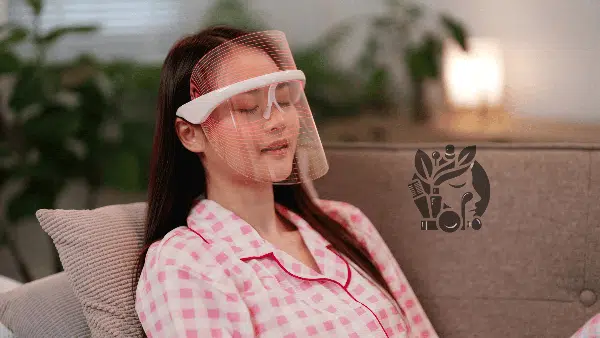
Picture sunlight, but smarter and safer.
LED light therapy uses specific wavelengths to nudge your skin cells into action — kind of like a personal trainer for collagen.
- Red light (630–660 nm): boosts collagen and elastin, helping smooth fine lines.
- Blue light (around 415 nm): zaps acne-causing bacteria and calms inflammation.
- Near-infrared (830–850 nm): dives deeper to trigger cell regeneration and wound healing.
Research suggests that these wavelengths increase ATP production — basically, the energy currency your cells use to repair themselves. That means better texture, fewer lines, and that “lit-from-within” skin tone everyone’s chasing.
💬 Dermatologists note: both professional and home LED masks can work. The difference? Pro devices show faster results; home ones shine with consistency.
Real talk: don’t expect miracles overnight. LED therapy is more marathon than sprint — steady sessions (3–5 times a week) = visible bounce and clarity in 6–8 weeks.
⚡ Microcurrent Devices: The Tiny Lifts That Add Up

Now imagine your face getting a subtle gym workout — minus the sweat.
That’s microcurrent. These handheld tools send ultra-gentle electrical signals that mirror your body’s natural bioelectric energy.
- They stimulate facial muscles, tightening and contouring.
- They boost micro-circulation, helping nutrients reach deeper layers.
- And they increase ATP, energizing cells for firmer, brighter skin.
Most users feel a light tingle — that’s your facial muscles saying, “Hey, I’m awake!”
Consistency is everything here too. Use 3–5 times a week for best results, and always on well-conductive gel or serum (dry skin + current = ouch).
💬 Derm-approved tip: choose an FDA-cleared device. It ensures safe intensity levels and tested reliability.
The lift is subtle — more “refreshed” than “face-tuned” — but after a few weeks, you’ll notice cheeks sitting higher and jawlines looking cleaner.
🔥 Radiofrequency (RF): Heat That Heals, Not Hurts
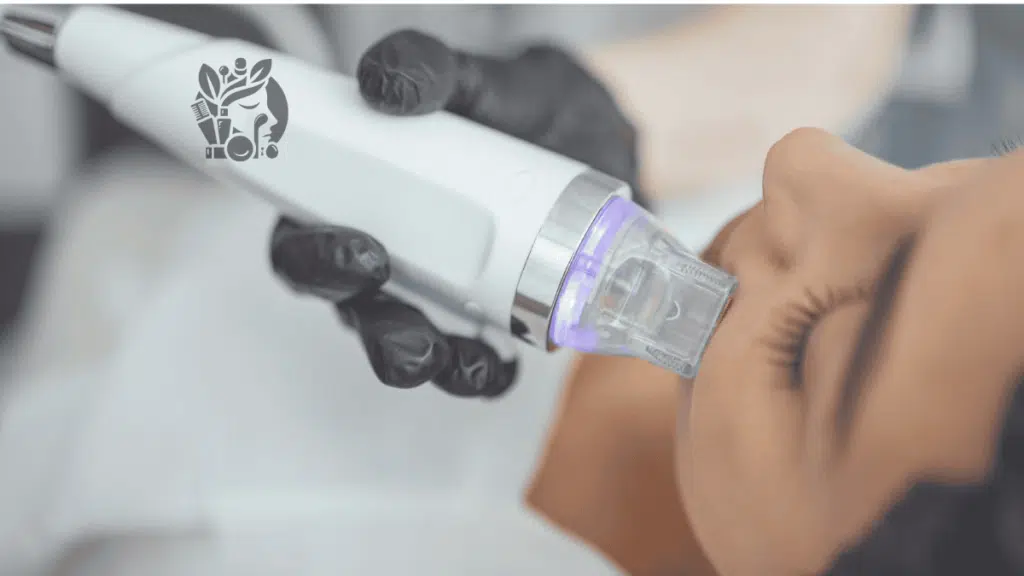
RF is where science gets spicy — literally.
These devices deliver controlled thermal energy into the dermis, just enough to trigger collagen and elastin production without harming the surface.
Think of it as a gentle, invisible sauna for your skin cells. The heat jump-starts their “repair and renew” mode, leading to firmer, smoother texture over time.
- Research suggests visible tightening and line-smoothing after consistent sessions.
- Results peak a few months later — collagen needs time to remodel.
- Mild redness right after use? Totally normal and usually fades in minutes.
💬 Dermatologists love RF because it bridges that sweet spot — powerful yet non-invasive, safe for most skin types, and minimal downtime.
When done right, RF treatments are like hitting “refresh” on aging skin — no needles, no peeling, just gradual firmness that sneaks up beautifully.
🧬 Dermatologists’ Take: When Science Meets Consistency
Dermatologists agree on one thing — these technologies work best together.
- LED energizes cells.
- Microcurrent tones muscles.
- RF rebuilds structure.
Used correctly, they form a three-layer strategy against aging: activation + stimulation + renewal.
But the secret sauce isn’t the device — it’s you using it consistently.
A $150 LED mask collecting dust won’t beat a $99 one that’s part of your nightly ritual.
💖 Bottom line: Science gave us the tools. Skincare lovers like you give them power — through patience, rhythm, and a little self-care discipline.
Top Home Skincare Devices for Aging Skin (2026)
Here’s where beauty meets engineering — the devices that actually do something beneath the surface.
Let’s walk through the stars of at-home skin tech and what makes each worth your time (and shelf space).
💡 LED Face Masks — The Glow Therapy Favorites
If your skin could talk, it would probably ask for red light therapy.
LED masks deliver clinically tested wavelengths that re-energize tired cells and boost collagen — it’s like plugging your skin into sunshine that heals instead of burns.
Use it consistently, and you’ll notice your complexion becoming smoother, calmer, and brighter from within.
Our Editor’s Picks
- 🩷 CurrentBody Skin LED Mask — Flexible silicone, 633 nm + 830 nm wavelengths, and the model behind that viral “Hollywood glow.”
- 💕 Dr. Dennis Gross DRx SpectraLite FaceWare Pro — Two-mode red & blue light combo; 3 minutes a day feels luxury-efficient.
- 💫 Newkey Red Light Therapy Mask — Budget-friendly but surprisingly effective for beginners.
💬 Pair it with a hydrating serum before and an antioxidant cream after.
Consistency = collagen’s best friend.
👉 Read more: LED Face Mask for Aging Skin
⚡ Microcurrent Devices — Tiny Currents, Visible Lift
Microcurrent tools are like a gentle Pilates class for your face.
Those micro-impulses re-educate facial muscles, improve circulation, and help serums absorb better.
The result? That quietly sculpted, “I-drink-green-juice” kind of lift.
Top Choices
- ✨ Foreo BEAR Mini — Smart microcurrent tech + T-Sonic massage = toned + tight.
- 🌸 NuFACE Trinity Facial Toning Device — Celebrity favorite; FDA-cleared and effective with consistent use.
- 💖 ZIIP Halo — App-guided nano + microcurrent modes for personalized treatments.
⚠️ Don’t use it on bare skin.
Always apply a conductive gel first to avoid tingling or irritation.
🔥 Radiofrequency (RF) Devices — The Tightening Titans
RF tech is all about controlled heat — warming the deeper dermis until collagen says, “Okay fine, I’ll rebuild.”
It’s painless, relaxing, and surprisingly effective when used two to three times a week.
Top RF Devices for Home Use
- 💎 Tripollar Stop VX — Luxury-grade RF tool known for visible firming around jaw + neck.
- 🌺 NEWa RF Skin Tightening Device — Clinically tested, dermatologist-approved, and portable.
- ✨ Sensica Sensilift RF — Smart sensors ensure safe, even heat distribution.
💬 Pro Tip: Follow RF with a cooling gel mask to soothe and lock in moisture.
🌿 Derma Rollers & Microneedling Pens — The Collagen Kickstarters
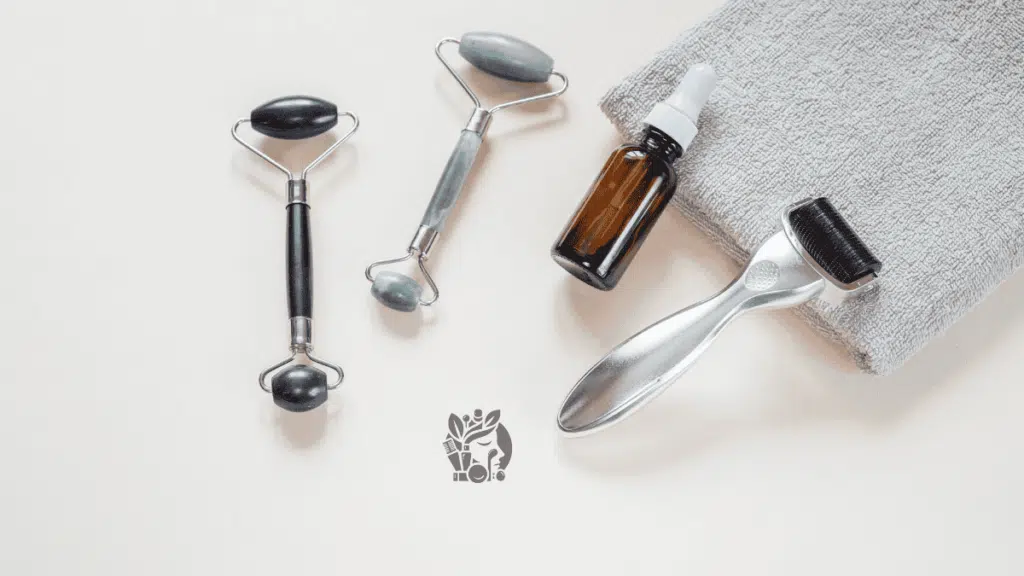
Tiny needles. Big results.
Microneedling creates micro-channels that stimulate healing + collagen renewal — and make your serums work harder.
Choose wisely: Keep 0.25 mm as beginner-friendly, but add:
“Avoid microneedling pens at home; consider professional guidance for deeper lengths.”
Add 3 safety bullets: single-user, replace heads/roller on schedule, don’t use on active acne/irritation.
- 💫 BeautyBio GloPRO Microneedling Tool — Combines red light + micro-needling for maximum results.
- 🌷 Sdara Derma Roller — Affordable and perfect for beginners.
⚠️ Never combine microneedling with retinol or acids on the same day.
Your skin needs a calm 24 hours to heal.
🌈 Ultrasonic & Vibration Wands — The Silent Overachievers
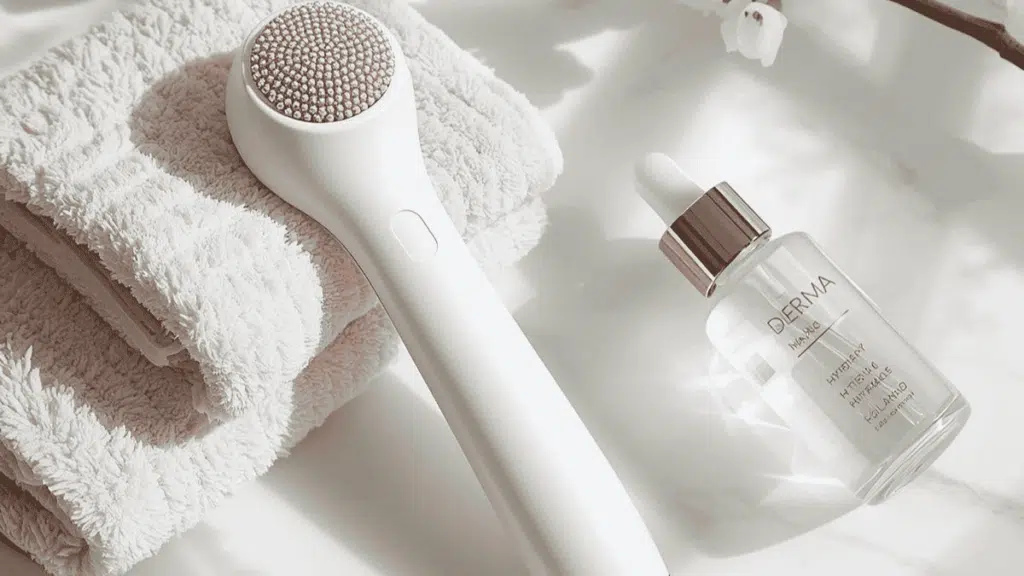
These don’t just buzz for fun. They push nutrients deeper into your skin and help with lymphatic drainage. Perfect for morning depuffing or post-serum absorption.
Try: PMD Clean Pro or Ya-Man Wave Vibration Wand for spa-like results without the trip.
🪞 Quick Comparison Table
| Technology | Main Action | Visible Results Timeline | Best For | Safety Level |
|---|---|---|---|---|
| LED Light Therapy | Cell regeneration + collagen boost | 6–8 weeks | Fine lines, dull skin | ★★★★★ |
| Microcurrent | Muscle toning + circulation | 3–4 weeks | Loss of firmness | ★★★★☆ |
| RF Therapy | Collagen remodeling | 2–3 months | Sagging + wrinkles | ★★★★☆ |
| Microneedling | Collagen induction + serum absorption | 4–6 weeks | Texture, scarring | ★★★☆☆ |
| Ultrasonic | Serum penetration + depuffing | Instant | Tired skin, morning routine | ★★★★★ |
💖 The Takeaway
Your goal isn’t to own every device. It’s to build a ritual that fits your skin and your schedule.
Start with one tech that matches your top concern — maybe LED for fine lines or microcurrent for firmness — and master that before adding more.
Because when science meets consistency (and a little self-love), results aren’t a question of if — they’re a matter of when.
How to Build a Safe Routine with Home Skincare Devices
Let’s be real: the glow you want doesn’t come from doing more. It comes from doing what works — consistently, gently, and smartly.
At-home beauty tech is incredible, but it’s not magic. It’s science — and science loves structure. So instead of turning your counter into a NASA lab overnight, let’s build a routine that’s safe, dermatologist-backed, and actually sustainable.
🌿 Step 1: Start Clean and Gentle
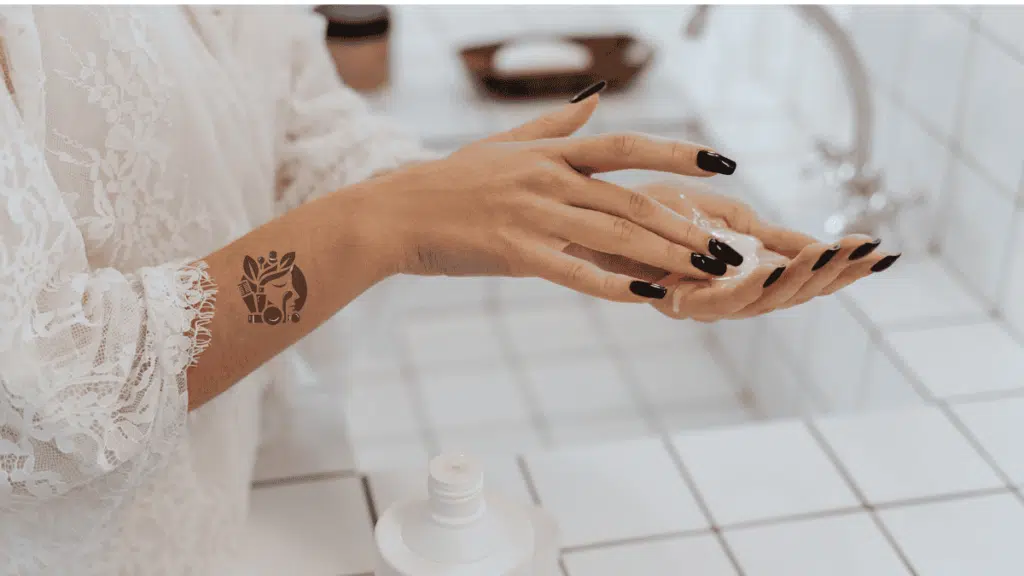
Begin every device session with clean, balanced skin.
Use a mild, pH-friendly cleanser — one that removes makeup and SPF but doesn’t strip your natural barrier.
If your skin feels squeaky, it’s too harsh. You want it to feel soft and damp, not tight.
💬 Real tip: skip cleansing brushes before LED or RF sessions — overstimulation can backfire.
💧 Step 2: Maximize Hydration Before Devices
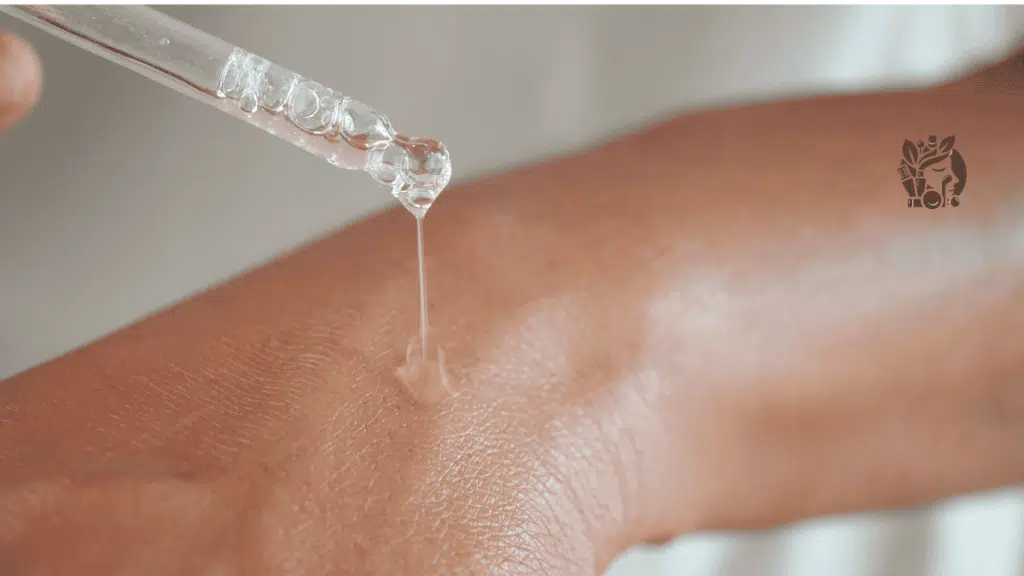
Think of hydration as the conductor for all that beauty electricity and light.
Microcurrent and RF devices work best on moisturized skin — dry skin can resist current or overheat.
Apply a serum with hyaluronic acid or ceramides before treatment.
For LED sessions, a water-based hydrating gel helps light absorb better without interference.
💡 Try: Neutrogena Hydro Boost Water Gel — that fresh, bouncy finish preps skin perfectly for tech use.
🔆 Step 3: Introduce Devices Gradually

Don’t throw your entire gadget collection at your face on day one.
Start with one device, track how your skin reacts, then slowly add more.
Here’s a balanced schedule dermatologists often recommend:
| Day | Device | Duration | Focus |
|---|---|---|---|
| Mon | LED Mask | 10–15 mins | Collagen boost + calm inflammation |
| Tue | Rest + actives (vitamin C, gentle exfoliation) | — | Brightening |
| Wed | Microcurrent | 5–10 mins | Lift + circulation |
| Thu | LED or RF | 10–20 mins | Firming |
| Fri | Rest + hydrating mask | — | Recovery |
| Sat | RF Device | 10 mins | Collagen remodeling |
| Sun | Gentle LED or full rest | — | Maintenance |
💬 Key rule: Listen to your skin.
Redness = pause. Glow = proceed.
☀️ Step 4: Always, Always Use SPF
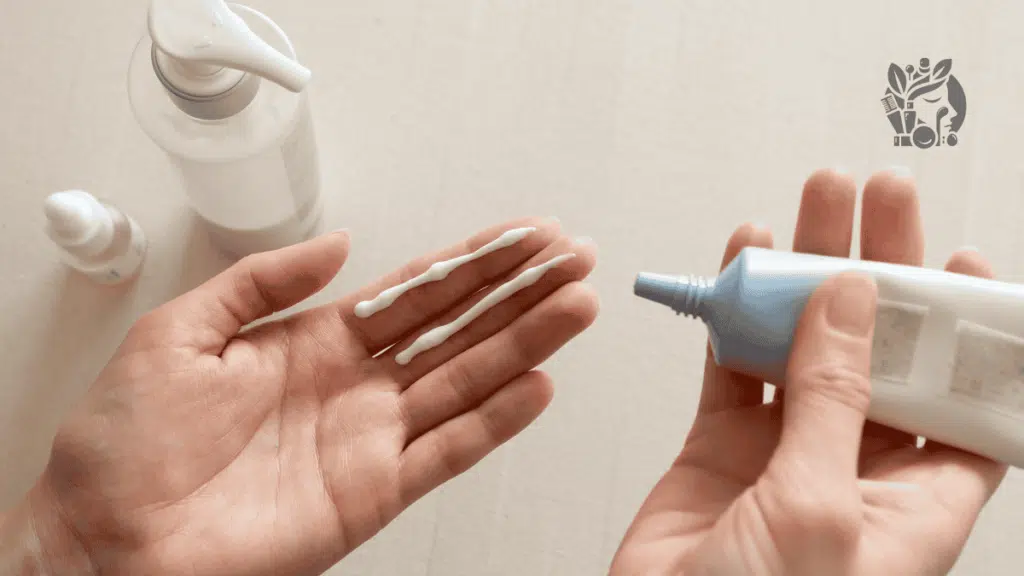
No skincare device will save you from UV damage if you skip sunscreen.
Think of SPF as your insurance — it protects all that collagen your devices just helped rebuild.
Look for broad-spectrum SPF 30 or higher with antioxidants (vitamin E, niacinamide, or green tea).
Even on cloudy days, UV sneaks through windows — and your glow deserves better than that.
Need reapplication tips that don’t ruin makeup? Here’s how to reapply sunscreen over makeup (2026).
🧪 Step 5: Alternate Actives Carefully
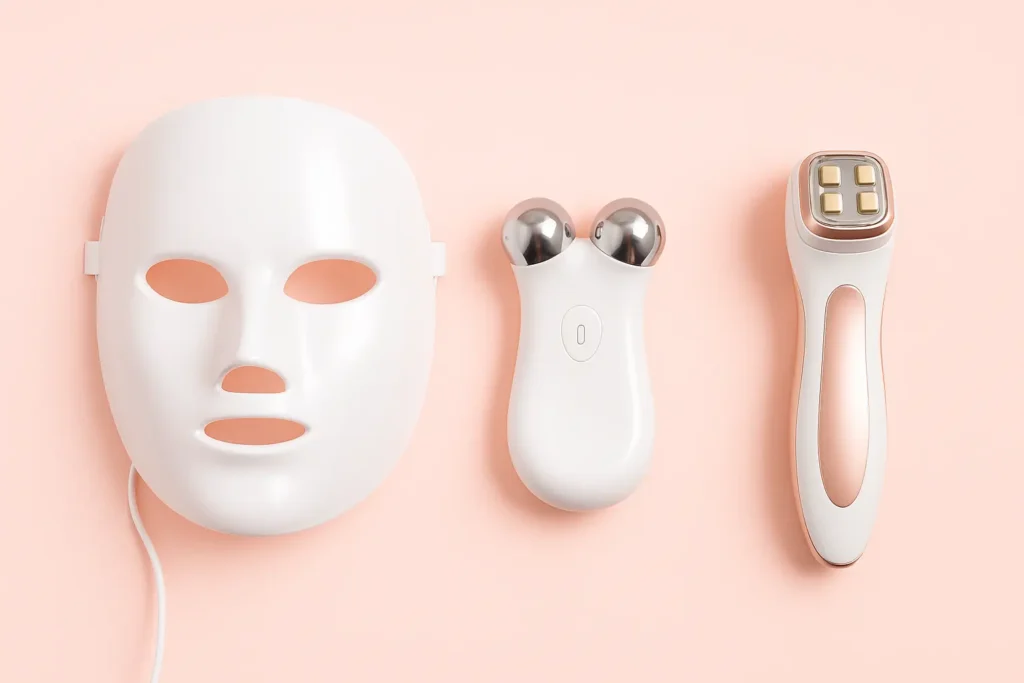
Mixing strong actives and tech? That’s where many routines crash.
- Don’t use retinol, AHAs, or BHAs on the same day as RF or microcurrent.
- Instead, schedule actives on “off” days.
- Stick to soothing, hydrating ingredients (like peptides or aloe) on device days.
This rhythm keeps your barrier strong and irritation-free — the foundation for real long-term results.
If you’re building an anti-aging routine, this guide helps you layer safely: Can You Use Retinol and Vitamin C Together?
👀 Step 6: Monitor Your Skin’s Response
Healthy skin talks — you just have to listen.
If you notice extra dryness, tingling, or redness, reduce session time or take a break.
Dermatologists recommend documenting your skin’s progress every few weeks — just a quick selfie in consistent lighting.
You’ll be amazed at how gradually firmness and tone improve between week 4 and week 12.
🩺 Science-Approved Rules to Remember
- Choose FDA-cleared devices — it’s your best assurance of safety.
- Expect visible results in 6–12 weeks, not overnight.
- Gentle exfoliation (like PHAs) beats harsh scrubs.
- Never use devices on broken or inflamed skin.
- Hydration and sunscreen are your best anti-aging allies.
- pacemaker/implanted devices (microcurrent/RF caution)
- pregnancy (RF caution; always follow device instructions)
- epilepsy/light sensitivity (LED caution)
- active infection/open wounds
- recent injectables/peels (short buffer window)
Keep it gentle + “check with your dermatologist if unsure.”
🌸 The Bottom Line
Your skin isn’t a project — it’s a relationship.
So treat it with patience, consistency, and care.
LED, microcurrent, and RF tools are powerful, but only when used wisely: hydrated skin, clear boundaries, and rest days built in.
That’s how you get glow that lasts — not the kind that fades by Monday morning.
💖 Because anti-aging isn’t about chasing youth — it’s about helping your skin age beautifully, on your own terms.
Mistakes to Avoid When Using At-Home Devices
Let’s face it — the biggest skincare mistakes usually come from enthusiasm, not neglect.
You get a shiny new LED mask or microcurrent wand and think, “If three sessions a week work, six will work twice as fast.”
Nope.
Your skin doesn’t need pressure — it needs consistency and care. Here are the most common pitfalls dermatologists warn about (and how to skip them gracefully).
🚫 1. Overdoing It — More Is Not More
It’s tempting to double sessions hoping for faster results, but over-stimulation can leave your skin flushed, dry, or sensitized.
Collagen production takes time — you can’t rush biology.
💬 Stick to manufacturer schedules (usually 3–5 times per week for LED or microcurrent, 2–3 for RF).
Think “training plan,” not “boot camp.”
🔌 2. Skipping Prep and Post-Care
Going straight from laptop to LED without cleansing? Guilty as charged.
Residue from SPF or serum can block light penetration or cause uneven current flow.
Always cleanse before you start, and rehydrate after — devices work best on balanced, hydrated skin.
🧴 Try: a gentle gel cleanser + moisturizer with hyaluronic acid after each session.
🧠 3. Using the Wrong Device for Your Skin Type
Not all tools fit every face.
RF heat on rosacea-prone skin? Too harsh.
Microcurrent on broken capillaries? Skip it.
Match the tech to your concern:
- Fine lines → LED Red Light
- Sagging → Microcurrent or RF
- Dullness → LED + gentle ultrasonic
💬 If you’re unsure, start with LED — it’s the most universal and gentle entry point.
🌙 4. Layering Strong Actives on Device Days
Retinol + RF = recipe for redness.
AHAs + microcurrent = barrier breakdown.
Alternate actives and devices. Use devices on hydration days; save exfoliating or retinol treatments for “rest” nights.
🩵 This rhythm keeps your barrier calm — and your glow steady.
🧴 5. Ignoring Sun Protection
The glow you earn from tech can vanish fast under UV damage.
Derms say sunscreen is non-negotiable — RF and LED make new collagen; UV breaks it down.
Use a broad-spectrum SPF 30 or higher every morning and reapply if you’re outdoors.
☀️ Think of SPF as your collagen insurance policy.
🧪 6. Not Tracking Progress
You might be improving without realizing it.
Collagen takes 6–12 weeks to show visibly — so document it.
Same lighting, same angle, same time of day.
That quiet confidence that builds when you see progress? That’s the real beauty booster.
🧍♀️ 7. Forgetting Your Neck and Hands
Your neck and hands age faster than your face — and they respond beautifully to light therapy and microcurrent.
Extend your routine a few inches down and you’ll thank yourself later.
💬 Dermatologists Say
“Safe, steady use of LED, microcurrent, and RF devices can visibly improve tone and texture within weeks. Just don’t rush the process. Healthy skin needs a routine — not a race.”
— Board-Certified Dermatologist, Dr. Emily P. (2025 Review Journal of Cosmetic Dermatology)
🌸 Takeaway
Glow isn’t built on gadgets — it’s built on rhythm.
Cleanse. Hydrate. Use tech responsibly. Protect with SPF. Repeat.
Every device is a tool; your discipline turns it into results.
When you treat your skin with respect, the science shows up beautifully on your face.
💖 Because aging gracefully isn’t about fighting time — it’s about working with it, one glow session at a time.
2026 Buying Checklist: What Matters Before You Buy
- FDA-cleared where applicable: especially for microcurrent devices.
- LED wavelengths: look for red (630–660 nm) + near-infrared (830–850 nm) for firming support.
- Comfort + fit: flexible masks and good face contact = more consistent sessions.
- Sensitive skin: if you’re rosacea-prone, prioritize LED; be cautious with RF heat.
- Consistency features: auto-timer, app guidance, and routines you’ll actually stick with.
- Hygiene: easy-to-clean surfaces and clear replacement schedules (especially rollers).
Editor’s Top Picks for At-Home Device Users
By now, you know the science. You know the routine.
So let’s get practical — here are the devices our editors (and dermatologists) actually trust to perform.
Each one fits your clean, cruelty-free, and affordable-luxury philosophy — effective, safe, and quietly beautiful on your vanity.
🩷 Premium Glow Picks 2026
| Device | Why We Love It | Price Range |
|---|---|---|
| CurrentBody Skin LED Mask | Flexible silicone, clinically proven red + NIR light for firmness and glow. | Check Price on Amazon |
| NuFACE Trinity Microcurrent Device | Tones facial muscles and boosts circulation — visible lift after 3–4 weeks. | Check Price on Amazon |
| Tripollar Stop VX RF Device | Delivers controlled heat for collagen remodeling and tighter jawlines. | Check Price on Amazon |
| BeautyBio GloPRO Microneedling Tool | Combines red light + micro-needling for texture and serum absorption. | Check Price on Amazon |
| Foreo BEAR Mini | Smart, FDA-cleared microcurrent wand with T-Sonic massage. | Check Price on Amazon |
💡 Editor’s note: Higher price ≠ better results — consistency does.
Choose the device you’ll actually use 3 times a week, not the one that looks best on a shelf.
🌸 Pro-Approved Pairings
- LED + Microcurrent: Glow and lift combo. Use LED first, microcurrent next.
- RF + Hyaluronic Serum: Heat + hydration = plumper bounce.
- Microneedling + Peptides: Boosts recovery and smooths texture.
💬 FAQs
1. How long until I see results?
Usually 4–8 weeks with LED and microcurrent; RF takes up to 12 for visible firmness.
Consistency beats intensity every time.
2. Can I combine multiple devices in one routine?
Yes — but introduce them gradually. LED pairs well with microcurrent; RF should be used on alternate days to avoid overheating.
3. Are these devices safe for sensitive skin?
Most are, especially LED and microcurrent. Avoid RF on rosacea or active breakouts. Always patch-test first.
4. Do I need to use gel or serum with my device?
Yes — especially for microcurrent and RF. A water-based, conductive gel prevents irritation and helps currents work effectively.
5. How do I clean my device?
Unplug first, then wipe with a soft cloth or alcohol-free disinfectant wipe. Avoid submerging in water.
6. Can men use these devices too?
Absolutely. Collagen doesn’t discriminate. These technologies work for all skin types and genders.
🌼 Final Takeaway
Your devices aren’t shortcuts — they’re investments in skin longevity.
When used patiently and paired with barrier-friendly skincare, they don’t just make you look rested — they make your skin act younger.
💖 Glow comes from consistency, hydration, and a quiet belief that taking care of yourself is the most luxurious thing you can do.
The Future of At-Home Skincare (and How to Stay Glowing)
Home skincare devices for aging skin are changing everything about how we age. Instead of waiting for wrinkles to appear, these at-home beauty tools — from LED masks to microcurrent and RF devices — now help rebuild collagen, tighten skin, and keep your glow stronger for longer.
Now it’s proactive. Preventive.
And that’s where at-home beauty tech shines.
LED, microcurrent, and RF devices don’t fight your skin — they train it.
They remind it how to function like its younger self: producing collagen, healing faster, and holding hydration longer.
Science has finally given us the tools; the rest is consistency, confidence, and care.
💬 Because good skin isn’t luck — it’s lifestyle.
If you’re just starting your journey into beauty technology, start small:
✨ Try an LED mask 3 nights a week.
✨ Add microcurrent once you’re comfortable.
✨ Graduate to RF when you’re ready to lift and tighten.
Let your skin lead. It always knows when it’s had enough.
🌸 Closing Note from PremiumGlows
Your skin doesn’t need perfection — it needs patience, hydration, and consistency.
Beauty tech is simply the bridge between your daily care and your dream skin: science, reimagined for self-care.
💖 Glow slowly, love deeply, and let technology support your radiance — not define it.
Deep dive: Want step-by-step routines, risks, and picks? Read the Microcurrent Guide · Read the RF Guide · Read the LED Mask Guide.
Leave a Reply